We have selected these solutions based on their advanced capabilities, including real-time threat intelligence, comprehensive data collection, and seamless integration with existing security ecosystems. Organizations can find out who are behind these data leaks or selling insider information for nefarious purposes by using various dark web monitoring tools. These tools offer proactive threat detection, real-time alerts, and comprehensive coverage of dark web platforms, ensuring your data remains intact. Several real data breaches showed the importance of dark web monitoring in maintaining corporate security. Several dark web monitoring tools have various in-built critical features to help in keeping your data safe. Over time, the dark web monitoring solution has turned from an option to a necessity for organizations that deal with large volumes of sensitive data.
Correlating these signals across Tor-based forums and Telegram channels provides a clearer picture of emerging threats than marketplace visibility alone. This includes discussions referencing new data breaches, credential samples posted as proof, and migration announcements when marketplaces experience disruption. The EUDA dataset categorizes entries as darknet markets offering drugs, so Genesis should be treated (in a 2026 write-up) as part of the drug-market ecosystem that can also overlap with fraud and other illicit trade patterns. For monitoring programs, the takeaway is to track post-closure migration and reposting of compromised data/fraud listings rather than relying on static “top market” lists.
Dark web monitoring involves tracking illicit activities, such as illegal marketplaces, data breaches, or extremist content, on hidden parts of the internet inaccessible through standard browsers. This process typically employs specialized tools, including crawlers, AI, and machine learning, to analyze encrypted or anonymized data. It is used by law enforcement, cybersecurity firms, and researchers to identify threats, monitor cybercrime, or prevent harm. Challenges include navigating encryption, ensuring ethical compliance, and distinguishing between malicious and benign content. Academic research in this area often focuses on improving detection algorithms, understanding user behavior, or addressing legal and privacy concerns.
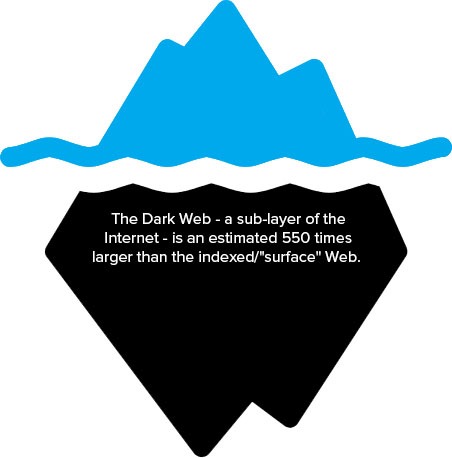
The dark web is often portrayed as a mysterious, underground area of the internet where illegal activities take place. However, for many, it serves as a critical platform for privacy and free expression. With the increasing risks of data breaches and identity theft, understanding tools like a dark web monitor is essential for safeguarding personal information. This article delves into what a dark web monitor is, how it functions, and why it is a vital tool for today's internet users.
What is a Dark Web Monitor?
A dark web monitor is a specialized tool or service designed to track and scan the dark web for any instances of your personal information, such as email addresses, social security numbers, or financial data. These monitors search through hidden forums and marketplaces where stolen data is often traded or sold, providing users with alerts if their information is compromised. By staying one step ahead, individuals can take proactive measures to protect their identity and assets.
How Does a Dark Web Monitor Work?
The process begins with the user providing certain personal information to the dark web monitoring service. This can include email addresses, usernames, or other sensitive data. The dark web monitor then conducts regular scans of various dark web sources, compiling lists of leaked or sold data related to the provided information.
When a match is found, the service alerts the user, often detailing the source and nature of the breach. This timely notification allows individuals to respond quickly—changing passwords, implementing two-factor authentication, or taking further steps to secure their online presence.
Why You Need a Dark Web Monitor
- They use advanced technology and security protocols to navigate the dark web.
- Businesses can stay ahead of emerging threats on the dark web by regularly updating their monitoring capabilities, staying informed about evolving cyber threats, and leveraging threat intelligence reports provided by dark web monitoring services.
- Understanding attackers’ tactics is crucial to protecting your people, data and infrastructure.
- They frequently bundle insurance that covers certain losses from identity theft.
- Legitimate dark web monitoring services do NOT actually poke around with your personal credentials on shady sites they gather breach data safely via APIs or databases.
- It continuously scans the dark web, deep web, and open sources to identify potential threats and data breaches affecting your organization.
With cybercrime on the rise, awareness of personal security has never been more critical. Virtually everyone has some data that could be at risk—from social media accounts to online banking information. Here are some key reasons why utilizing a dark web monitor can be beneficial:
- Early Detection: Identifying compromised information quickly can prevent more extensive identity theft or fraud.
- Peace of Mind: Knowing that someone is watching over your personal data helps individuals feel secure in their online activities.
- Informed Response: Alerts provide clear guidance on how to respond should your information be found on the dark web, allowing users to act swiftly.
Limitations of Dark Web Monitors
- IBM Security helps protect enterprises with an integrated portfolio of products and services, infused with security AI and automation capabilities.
- More actionable intelligence comes from observing surrounding activity across forums, chat platforms, and leak channels.
- This strategic alignment led to DarkRadar’s swift acceptance into the national Cybersecurity Cluster, reinforcing its credibility as a next-generation intelligence service capable of standing alongside—and competing with—global alternatives.
- Provides detailed technical and metadata information
- North America and Europe sustain robust demand through market maturity, while Latin America and the Middle East emerge as high-growth frontiers driven by infrastructure investments.
While dark web monitors provide valuable insights, they do have limitations. Not all services cover every dark web site, and some might not detect all breaches immediately. Additionally, the presence of your information on the dark web does not always correlate with immediate danger; further investigation may be necessary to understand the context of the breach. Thus, using a dark web monitor should be part of a broader strategy for online safety that includes strong password practices and regular credit monitoring.

Conclusion
In an ever-evolving digital landscape, understanding tools like a dark web monitor is vital for protecting personal information. While the dark web can be a haven for illicit activities, it also serves as a reminder of the importance of vigilance in our online lives. By utilizing these monitoring services, individuals can empower themselves with the knowledge and tools necessary to navigate the complexities of internet safety and protect their identities from potential threats.