The Silk Road, a dark web marketplace operational from 2011 to 2013, facilitated illicit trade in drugs, stolen data, and other prohibited goods, leveraging encryption and anonymity to evade law enforcement. Its shutdown by the FBI underscored the challenges of regulating decentralized, encrypted networks while highlighting the risks of online trafficking and exploitation. Research on such platforms aids in understanding criminal ecosystems, informing policy, and developing tools to disrupt harmful activities. However, access to or analysis of dark web data requires strict ethical and legal safeguards to prevent misuse and protect privacy.
The dark web has long fascinated and terrified individuals, primarily due to its reputation as a haven for illicit activities. Among the many topics associated with this hidden part of the internet, the Silk Road stands out as one of the most infamous marketplaces. This article aims to unravel the complexities of the dark web Silk Road, discussing its operations, implications, and the lessons learned from its rise and fall.
Only a tiny portion of the internet is accessible through a standard web browser—generally known as the “clear web”. Estimates place the size of the deep web at between 96% and 99% of the internet. Medical records, fee-based content, membership websites, and confidential corporate web pages are just a few examples of what makes up the deep web.
Despite the initial success of closing down the original Silk Road, numerous successor sites emerged, demonstrating the resilience of the dark web marketplace. Within this hidden layer of the internet, shielded from conventional search engines and requiring specific software to access, exists a marketplace for the forbidden. While its legacy is controversial, it remains a critical case study in the evolution of darknet markets.
- In June 2011, Gawker published an article about the site which led to an increase in notoriety and website traffic.
- James Zhong, whose home the money was seized from, was arrested and pleaded guilty to illegally obtaining the money by participating in Silk Road’s marketplace.
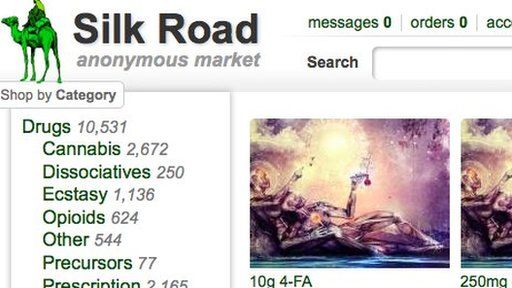
- Silk Road was one of the first dark web marketplaces that emerged in 2011 and has allowed for the trading of illegal drugs, weapons and identity fraud resources.
- You can buy credit card numbers, all manner of drugs, guns, counterfeit money, stolen subscription credentials, hacked Netflix accounts and software that helps you break into other people’s computers.
- If the Bitcoin-powered Silk Road also boosted Bitcoin’s adoption and notoriety.
Your information might be on the dark web if your data was part of a data breach or hack. The Silk Road was illegal because it was primarily a hub for the sale and distribution of illegal items and facilitated other unlawful activity. LifeLock Standard comes with a range of identity protection tools, including a Dark Web Monitoring feature to notify you if your information is detected on the dark web. Whether you venture into the deep dark web yourself or your information ends up there via a data breach, early identity threat detection is key to preventing lasting damage. However, its time on the dark web was even shorter — ending just one year after its launch.
What is the Dark Web?
The dark web is a segment of the internet that requires specific software, configurations, or authorization to access. It is not indexed by traditional search engines and can only be viewed through special browsers like Tor. While it has legitimate uses, such as enabling privacy and free expression, it is equally known for hosting illegal activities, including drug trafficking, weapon sales, and more.
Understanding Silk Road
Launched in 2011 by Ross Ulbricht, the Silk Road was an online black market that facilitated the sale of illegal drugs and other illicit goods. It operated using Bitcoin for transactions, allowing users to trade anonymously. The platform's design prioritized user privacy and security, making it a go-to destination for those seeking illegal products without facing immediate legal repercussions.
How the Silk Road Operated
The operation of the Silk Road was built on the principles of anonymity and decentralization. By using Tor, users could access the site without revealing their identities. Sellers listed their products, while buyers could read reviews and ratings, creating a sense of community. Transactions were protected through an escrow system, ensuring that funds were only released when the goods were delivered as promised.
The Downfall of Silk Road
Despite its initial success, the Silk Road faced scrutiny from law enforcement agencies. In October 2013, the FBI seized the website and arrested Ulbricht. Following its closure, many replicas emerged, but none managed to replicate the same level of success or security, highlighting the challenges of operating such platforms in a constantly evolving legal landscape.
Lessons Learned
The rise and fall of the Silk Road serve as a critical case study in understanding the dark web. It illustrates the loopholes that exist in online marketplaces and the continuous battle between illicit activities and law enforcement. Additionally, it raises questions about privacy, the demand for illegal substances, and the implications of digital currency in illegal transactions.
Conclusion

While the dark web Silk Road has closed its virtual doors, its impact continues to be felt. Understanding its dynamics is essential for individuals and society, highlighting the need for informed discussions regarding online privacy, security, and the legal implications of engaging in such marketplaces. Awareness can empower individuals to navigate the complexities of the dark web responsibly and safely.