A small number of dominant marketplaces continue to facilitate illicit trade, adapting quickly to seizures, arrests, and infrastructure shutdowns. The dark net is famous for being a hub of black market websites for buying and selling products and services. Not all marketplaces you want to visit can be accessed through regular search engines.
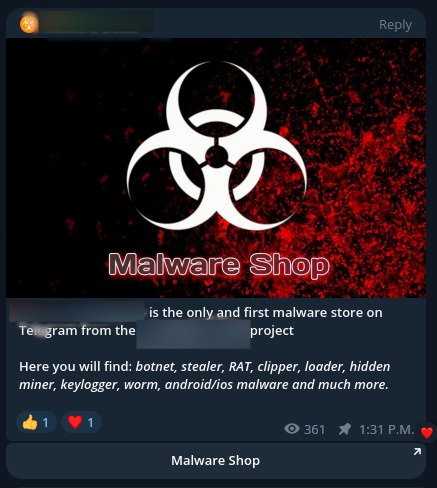
Dark web markets are clandestine online platforms accessible via encrypted networks likeTOR, primarily used for illicit trade in narcotics, stolen data, counterfeit items, and black-market services. These markets operate through anonymized peer-to-peer transactions, often employing cryptocurrencies to evade detection. While they pose significant risks to public safety, including exposure to malware, scams, and illegal substances, they also challenge law enforcement due to their decentralized structure and sophisticated security measures. Research on these markets highlights their evolving nature, with periodic takedowns and the emergence of newer, more隐蔽 platforms, underscoring the need for continuous monitoring and policy adaptation.
The concept of the dark web markets often evokes a mix of intrigue and concern. These online platforms exist beneath the surface of the internet, hidden from standard search engines and often associated with illicit activities. However, understanding how these markets operate is crucial, not only for raising awareness about potential dangers but also for highlighting the complexities of internet security and online commerce. This article will explore the structure, functionality, and implications of dark web markets in a clear and informative manner.
Such launches were not always a success; in February 2014 Utopia, the highly anticipated market based on Black Market Reloaded, opened only to shut down eight days later following rapid actions by Dutch law enforcement. The shutdown was described by news site DeepDotWeb as "the best advertising the dark net markets could have hoped for" following the proliferation of competing sites this caused, and The Guardian predicted others would take over the market that Silk Road previously dominated. Silk Road's use of all of Tor, Bitcoin escrow and feedback systems would set the standard for new darknet markets for the coming years. It has been considered a "proto-Silk Road" but the use of payment services such as PayPal and Western Union allowed law enforcement to trace payments and it was subsequently shut down by the FBI in 2012.
"While Lin made millions, his offenses had devastating consequences. He is responsible for at least one tragic death, and he exacerbated the opioid crisis and caused misery for more than 470,000 narcotics users and their families." Lin ran Incognito Market from October 2020 to March 2024, when he abruptly shut it down and threatened to release transaction histories for vendors and customers who wouldn't pay an additional fee. It also hosted more than 1,800 vendors, over 400,000 customer accounts, and processed more than 640,000 transactions, with Lin controlling all operations and maintaining ultimate decision-making authority over the multimillion-dollar enterprise. U.S. District Judge Colleen McMahon, who imposed the sentence, said that this was the "most serious drug crime I have ever been confronted with in 27.5 years" and called Incognito Market "a business that made Lin a drug kingpin." In January 2015, Silk Road Reloaded launched on I2P with multiple cryptocurrency support and similar listing restrictions to the original Silk Road market. The creator of the relaunched website—an English computer programmer named Thomas White—was also arrested in the course of the shutdown, but his arrest was not made public until 2019 after he pled guilty to charges stemming from running the website and was sentenced to five years in prison.
- He then attempted to extort participants by threatening to release their transaction histories and cryptocurrency addresses, writing “YES, THIS IS AN EXTORTION!!!
- Darknet is your best source for the latest hacking tools, hacker news, cyber security best practices, ethical hacking & pen-testing.
- In February 2015, the EMCDDA produced another report citing the increased importance of customer service and reputation management in the marketplace, the reduced risk of violence and increased product purity.
- Phishing via cloned websites and other scam sites are numerous, with darknet markets often advertised with fraudulent URLs.
Dark Web Markets
Dark web markets are often accessed using specific software, the most common being Tor, which anonymizes users' identities and locations. This layered anonymity is attractive for various reasons, including privacy, the ability to bypass censorship, and, unfortunately, the facilitation of illegal transactions. These markets can range from selling drugs and weapons to offering stolen data and hacking services.
Functionality of Dark Web Markets
Dark web markets function similarly to conventional e-commerce sites but with a few crucial differences. Transactions usually take place using cryptocurrencies like Bitcoin to maintain anonymity for both buyers and sellers. Users typically establish accounts that allow them to participate in the marketplace, view listings, and leave feedback, similar to eBay or Amazon. The marketplaces often have built-in escrow systems to ensure that funds are held securely until both parties fulfill their obligations.
Common Products and Services
The range of products available on dark web markets can be alarming. Some common categories include:
- Illegal Substances: Many markets specialize in the sale of drugs, from marijuana to more dangerous narcotics.
- Stolen Data: Personal information, credit card details, and hacked accounts are often available.
- Counterfeit Goods: Fake identification documents, luxury goods, and more can also be purchased.
- Hacking Services: Services to breach personal or corporate security systems are offered, often at varying levels of expertise.
Risks and Dangers
Engaging with dark web markets comes with significant risks. Law enforcement agencies worldwide actively monitor these markets, leading to frequent takedowns and arrests. Additionally, the potential for scams is high; without regulation or oversight, users can easily fall victim to fraudulent listings or dangerous transactions. Moreover, the information shared in these markets may expose individuals to legal repercussions and safety risks.
Legal and Ethical Considerations
It's important to note that while some individuals venture into dark web markets for illegal activities, others may do so for reasons such as securing privacy or accessing restricted information. The ethical implications can vary widely depending on the intent behind the usage of these platforms. For instance, some might argue that certain markets allow for necessary discussions about free speech or provide a haven for whistleblowers.
- While the site remained online, all the bitcoins in its escrow accounts, valued at $2.7 million, were reported stolen.
- Imagine the internet as an iceberg.
- From then on, through to 2016 there was a period of extended stability for the markets, until in April when the large Nucleus marketplace collapsed for unknown reasons, taking escrowed coins with it.
- In the second week of the trial, prosecutors presented documents and chat logs from Ulbricht's computer that, they said, demonstrated how Ulbricht had administered the site for many months, which contradicted the defense's claim that Ulbricht had relinquished control of Silk Road.
- The system enabled buyers and sellers to transact anonymously, the prosecutors said.
Staying Informed and Safe
Awareness of dark web markets is essential for anyone utilizing the internet today. Understanding how these markets operate can empower individuals to navigate the digital world more safely and make informed decisions. If you feel compelled to explore this part of the internet, always prioritize security measures, such as using VPNs, maintaining anonymity, and staying updated on legal risks associated with accessing these sites.
In conclusion, while the dark web markets are often associated with unlawful activities, they represent a more complex landscape of anonymity and commerce. Awareness and education are key to understanding the implications and risks associated with these markets, ultimately helping individuals make informed choices in the digital age.