The widespread adoption of EMV chip technology—embedded microchips in credit cards—has substantially reduced fraud related to counterfeit physical cards. Common targets include online marketplaces, luxury retailers, electronics stores, and digital services. Before making a purchase, experienced buyers often validate the authenticity and usability of the offered credit card data using online tools known as card checkers. Once registered, buyers browse the marketplace listings, filtering available data by criteria such as card type (Visa, Mastercard, American Express), country of issue, bank, credit limit, cardholder location, or data freshness.
The darknet credit card market refers to illicit trade networks on the dark web where stolen or cloned credit card data is bought and sold. These markets often operate through encrypted forums, using cryptocurrencies for anonymity, and involve data obtained via phishing, data breaches, or malware. Stolen information includes card numbers, expiration dates, and CVV codes, which are categorized by region, bank, and card type. While law enforcement agencies have disrupted some platforms, the decentralized and anonymous nature of the darknet ensures the market's persistence, posing ongoing risks to global financial security and enabling fraud, identity theft, and related crimes.
The emergence of digital technology has significantly transformed various aspects of our lives, including the way we conduct financial transactions. As we navigate the online world, it's essential to be aware of the risks associated with the darknet credit card market. This underbelly of the internet operates beyond the reach of law enforcement and poses threats that can affect anyone. Understanding how this market works can equip individuals with the knowledge to protect themselves from potential risks.
For example, in 2022, an Ohio man was sentenced to 10 years in federal prison for his role in a carding scheme involving over $1 million in fraudulent transactions. These high-profile cases illustrate the relentless effort by global law enforcement agencies to disrupt the dark-web carding economy. In 2018, the FBI successfully concluded Operation Card Shop, targeting the notorious carding forums Infraud Organization and Cardplanet.
What is the Darknet?
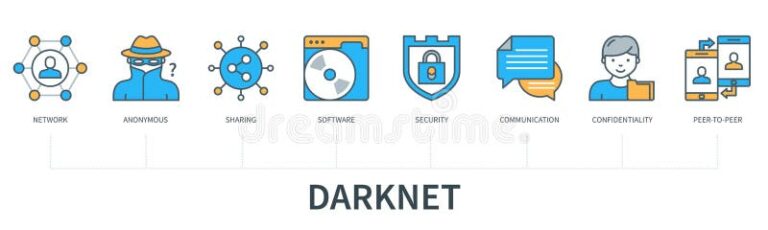
The darknet refers to a part of the internet that is not indexed by traditional search engines and requires specific software, configurations, or authorization to access. It is often associated with illegal activities, including the trade of illicit goods and services, such as weapons, drugs, and stolen financial information.
Understanding the Darknet Credit Card Market
The darknet credit card market is a segment within the broader darknet where stolen credit card information is bought and sold. This market operates on various hidden forums and platforms that facilitate transactions using cryptocurrencies to maintain anonymity.
How it Works
- Stolen Credit Card Data: Criminals obtain credit card information through various means, including data breaches, phishing attacks, or malware.
- Listing for Sale: Once stolen, this information is listed for sale on darknet marketplaces, often accompanied by details such as the card's expiration date and CVV.
- Payment Methods: Purchases are typically made using cryptocurrencies like Bitcoin, ensuring a level of anonymity for the buyer.
- Use of the Data: Buyers may use this data for various fraudulent activities, including making unauthorized purchases or reselling the information.
Risks and Consequences
The existence of the darknet credit card market poses significant risks both for victims whose information is stolen and for the buyers who engage in illegal transactions.
- Financial Loss: Victims may face unauthorized transactions that can drain their accounts.
- Identity Theft: Stolen personal information can lead to long-term identity theft, impacting credit scores and personal finances.
- Legal Consequences: Individuals engaging in buying stolen credit data may face severe legal repercussions, including fines and imprisonment.
How to Protect Yourself
Understanding the risks associated with the darknet credit card market is the first step in protecting yourself against potential threats. Here are some strategies to safeguard your financial information:
- Use Strong Passwords: Ensure all your accounts have strong, unique passwords that are difficult to guess.
- Enable Two-Factor Authentication: Use two-factor authentication wherever possible to add an extra layer of security.
- Monitor Financial Statements: Regularly check your bank and credit card statements for unauthorized transactions.
- Stay Informed: Educate yourself about current scams and the latest security practices to stay one step ahead of potential threats.
Frequently Asked Questions
What is the darknet?
The darknet is a portion of the internet that is not indexed by traditional search engines and requires special software to access, often associated with illegal activities.
- Marketplaces recorded 632,207 sales across these markets, which generated $140,337,999 in total revenue.
- Credit cards, Paypal accounts, and fullz are the most popular types of stolen information traded on the dark web, but they’re far from the only data worth stealing.
- Most data bought and sold on dark web marketplaces is stolen through phishing, credential stuffing, data breaches, and card skimmers.
- But first, how big of a problem is credit card fraud on the dark web?
How does the darknet credit card market operate?
The darknet credit card market operates by facilitating the sale and purchase of stolen credit card information, typically through anonymous transactions using cryptocurrencies.
What risks are associated with the darknet credit card market?
Risks include financial loss, identity theft, and potential legal consequences for engaging in illegal transactions.
Being informed about the darknet credit card market is essential for protecting your financial well-being in today’s digital world. By understanding how it operates and the associated risks, individuals can take proactive steps to safeguard themselves against potential threats.