Users can connect via the primary onion address or utilize various mirrors, which are alternative links that provide redundancy. This focus on convenience is evident across every interaction, from the initial access point to the final transaction. Platforms like Nexus distinguish themselves by offering an extensive range of products, far surpassing the limited selections found on smaller or newer sites.
Dark markets continually adapt and evolve to stay ahead of law enforcement and security measures. The use of digital signatures can also help verify the authenticity of users and transactions. Dark markets often employ end-to-end encryption for communication between buyers and sellers, enhancing security and privacy. This browser enables access to websites with .onion domain extensions, which are specific to the Tor network. Cybercriminals use these platforms to traffic in stolen data, execute targeted ransomware attacks, and collaborate on advanced hacking techniques.
These services, often referred to as “tumblers” or “mixers”, provide threats actors or other nefarious users with the ability to anonymize their cryptocurrency transactions, making them challenging to trace back to the source. It’s the gold standard for darknet markets, boasting a robust community and advanced features. In 2025, it hosts over 2.5 million active users daily, with markets facilitating billions in cryptocurrency transactions annually.
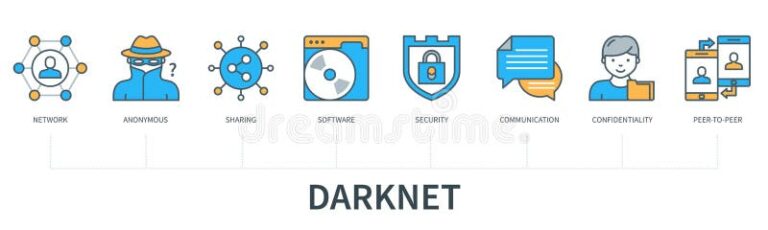
The darknet, a clandestine portion of the internet requiring specialized software to access, hosts various black market platforms where illicit goods and services are traded anonymously. These markets often facilitate the exchange of narcotics, counterfeit documents, hacked data, and other prohibited items, operating outside legal frameworks. While such platforms are frequently targeted by law enforcement, they persist due to encryption and decentralized networks, posing challenges for cybersecurity and regulatory oversight. Researchers analyzing these spaces must navigate ethical and legal considerations, as engagement with darknet markets can support criminal activities or compromise data integrity.
- And it worked.This market focuses on stolen credit cards, personal identifiable information (PII), and SSH access credentials.
- This figure highlights the scale of log-driven access markets like Exodus.
- This part of the internet is notorious for illegal activities, facilitated by the anonymity it offers.
- One of the most well-known technologies enabling darknets is the Tor network, which was developed by the U.S.
- This survey highlights active and recently shuttered markets with actionable metrics and intelligence for threat hunters, CISOs, and red team leaders.
The darknet black market has garnered significant attention in recent years, largely due to its portrayal in media and its association with various illicit activities. However, it is crucial to understand this complex landscape for educational purposes, as awareness can lead to informed decisions and potentially save lives. This article aims to explore the darknet black market, highlighting its characteristics, prevalent goods and services, and the precautions necessary for anyone considering entering this hidden realm.
Darknet Black Market List
The darknet black market is a part of the internet that is not indexed by traditional search engines. It operates on encrypted networks such as Tor, allowing users to browse anonymously. Here is a list of common categories found on these markets:
1. Drugs
- Prescription medications
- Illegal narcotics
- Performance-enhancing drugs
2. Hacking Services
- Credential theft
- Malware and ransomware
- DDoS attacks
3. Stolen Goods
- Credit card information
- Personal identification data
- Counterfeit products
4. Weapons
- Firearms
- Explosives
- Self-defense items
5. Human Trafficking
- Illegal labor
- Exploitation
- Sex trafficking
Understanding the Risks
Engaging with the darknet black market comes with numerous risks. Here are some considerations:
- Legal Consequences: Many activities conducted on these platforms are illegal and can lead to severe legal penalties.
- Scams: Users may fall victim to scams, receiving counterfeit goods or nothing at all.
- Safety: Personal safety is at risk due to the potential for violent interactions with other users.
Frequently Asked Questions
What is the darknet?
The darknet refers to parts of the internet that require specific software, configurations, or authorization to access, often used for anonymity.
How do I access the darknet?
Accessing the darknet typically involves downloading special software like Tor. It is essential to understand the legal implications and risks involved.
Is everything on the darknet illegal?
While much of the content on the darknet black market is illegal, there are also legal uses, such as privacy-focused communications and information sharing.
Can I get caught using the darknet?
Yes, law enforcement agencies are increasingly monitoring darknet activities, and users can be tracked through various methods.
Conclusion
Exploring the darknet black market highlights the need for awareness and education about its intricacies. While the potential for illicit activities exists, understanding its workings and the associated risks can empower individuals to make informed choices and prioritize their safety. Always approach this hidden part of the internet with caution and awareness of its complexities.