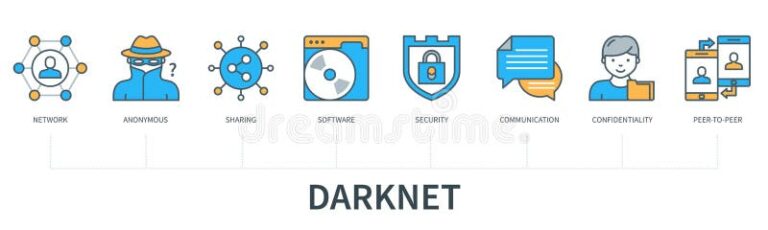
The dark web refers to encrypted parts of the internet accessible only through specialized browsers like Tor, offering anonymity to users. While it hosts legitimate content such as privacy-focused forums, whistleblower platforms, and encrypted communication services, it is also notorious for illicit activities, including black-market trading, hacking resources, and cybercrime. Trends reveal its growing use for both activism and criminal purposes, necessitating careful navigation and ethical considerations in research. Its opaque nature complicates monitoring, making it a critical area for studying digital security, privacy, and public safety challenges.
The internet is vast, and while many of us are familiar with its surface—social media, news outlets, and e-commerce—there's another layer known as the dark web. This hidden part of the internet is often shrouded in mystery and intrigue, evoking images of clandestine dealings and anonymity. Understanding how dark web websites operate can provide valuable insights, especially in an age where cyber safety is paramount. This article aims to shed light on the dark web, its purposes, and how to navigate it safely and responsibly.
What is the Dark Web?
The layout focuses on giving users working, legitimate results, even if that means having a smaller index compared to broader engines. Instead of relying on random listings, it verifies and organizes links, making navigation cleaner and safer. Lightweight and fast when handling large searches Community reporting improves the overall quality of indexed content Strong privacy measures protect user identity during searches The free API makes it easy to automate dark web monitoring
The dark web refers to a section of the internet that is not indexed by traditional search engines. It can only be accessed through special software, the most popular being Tor, which enables anonymous browsing. This unique infrastructure allows users to maintain their privacy while accessing content that is often not available on the surface web.
This allows you to go online anonymously and without ISP monitoring. To clarify, this tutorial covers accessing the dark web privately, not the deep web. You need a special browser (Tor), and all these websites are intentionally obscured.
Characteristics of Dark Web Websites
- Anonymity: Both users and operators of dark web websites can remain anonymous, making it difficult to track activities.
- Access via Specialized Software: To access the dark web, users typically need Tor or similar tools, which mask IP addresses and encrypt traffic.
- Content Variety: From forums and blogs to marketplaces, the content on dark web websites can range from legal to illegal.
- Cryptocurrency Transactions: Many transactions are done using cryptocurrencies, which further enhance anonymity.
- Forums and websites on the dark web are not moderated, so you can never be sure they are free from malware.
- Note that engaging with the content in any way is not only distressing but could also put you at legal risk.
- So, without delay, let’s step into the onion patch aka the best 20 dark web websites.
- All in all, it is not illegal to access the dark web, but it can create issues for you.
- This .onion link makes it impossible for hackers to impersonate your profile.
Legitimate Uses of the Dark Web
While the dark web has gained notoriety for facilitating illegal activities, it also serves several legitimate purposes:
- Privacy Protection: Journalists and whistleblowers use it to communicate and share sensitive information safely.
- Censorship Resistance: In countries with heavy censorship, individuals can access uncensored content.
- Research and Activism: Researchers study the dark web for cybersecurity insights, while activists rally for freedom of speech.
Risks Associated with Dark Web Websites
Despite its benefits, navigating the dark web is fraught with risks:
- Illegal Content: Many dark web websites deal in illicit drugs, weapons, and stolen data, often leading to legal consequences for users.
- Security Threats: Users risk malware infections and hacking attempts, making robust cybersecurity measures essential.
- Scams: Many interactions may involve scams. Users should exercise extreme caution when making any transactions.
How to Stay Safe on the Dark Web
If you choose to explore the dark web, consider the following safety tips:
- Use a VPN: A Virtual Private Network adds an extra layer of anonymity and security.
- Secure Your Device: Ensure that your device has up-to-date antivirus software to guard against malware.
- Stay Informed: Understand the nature of dark web websites before diving in, and research their reputations.
- Avoid Sharing Personal Information: Even on seemingly legitimate sites, refrain from disclosing personal information.
Frequently Asked Questions
Q1: Is the dark web illegal?
A1: Simply accessing the dark web is not illegal; however, many activities and transactions that occur there can be unlawful.
Q2: Can I use the dark web to remain anonymous online?
A2: While the dark web offers more anonymity than the surface web, complete anonymity is not guaranteed. Always take steps to protect your identity.
- Unlike the surface web, you can’t access deep web resources directly through a search engine; they require login credentials or special permissions.
- After all, some websites on the deep web are like those on the open internet, except that they are hidden behind a paywall or protected via passwords to limit access.
- Fortunately, you can’t just stumble onto dark web websites by accident.
- This hidden content is primarily intended for privacy and security, catering to individuals, organizations, and services that wish to keep their activities private.
Q3: Are there safe sites on the dark web?
A3: Yes, there are legitimate dark web websites focused on privacy and free speech. However, users must carefully vet these sites before engagement.
Understanding the dark web is essential in today's digital age. Whether for protection, information, or curiosity, being informed can help individuals navigate this complex and often misunderstood part of the internet while prioritizing their safety. Always proceed with caution and awareness of the potential consequences.