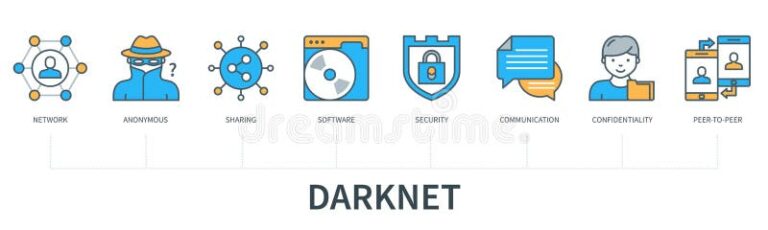
The dark web refers to a portion of the internet that requires special software, such as Tor, to access and is not indexed by standard search engines. It is often associated with illicit activities, including black-market trading, cybercrime, and data trafficking, though it also hosts legitimate forums for privacy advocacy, whistleblowing, and secure communication. Its anonymity features make it a double-edged sword, enabling both criminal exploitation and protected speech. Researchers study its trends to understand cyber threats, illicit markets, and digital privacy challenges, while acknowledging the risks of exposure to harmful content or surveillance.
The dark web is a term that often conjures images of clandestine activities and nefarious dealings. However, it is essential to understand what the dark web actually is, how it operates, and its implications for users. This article aims to shed light on the dark web, providing insights that can help individuals navigate the complexities of this hidden part of the internet while remaining safe and informed.
- Roughly 500,000 users regularly frequent darknet marketplaces, where over 37 percent of purchases likely result in further crimes.
- “In the past two months, we have seen an escalation in the type of content being shared on social media platforms, which became much more explicit than what we used to see in the past,” Paltieli told Ars.
- With a reputation for hosting explicit content that often skirts legal boundaries, the Dark Web's porn scene offers a unique and controversial glimpse into the darker side of human nature and online behavior.
- While not an onion site, Tor Metrics can provide a fascinating peek “under the hood” of the dark web.
- The raw data is de-duplicated, cleaned, and formatted into simple text files.
Though a large volume of traffic visits on the open web every day, it only represents 4% of the content on the internet. Webpages on the open web will show up in search results on sites like Google and Bing. But navigating the dark web is full of cybersecurity and legal challenges. Therefore, you should understand the legal risks of accessing the dark web before you venture into this murky world. Simply accessing certain sites or engaging with the wrong links could implicate you in criminal investigations. Doing so will protect you from accidentally accessing illicit content or becoming a victim of malware.
What Is the Dark Web?
The dark web refers to a segment of the internet that is not indexed by traditional search engines. It exists on an encrypted network and requires specific software to access, most commonly the Tor browser. While the dark web is often associated with illegal activities, it also serves legitimate purposes, such as safeguarding privacy in oppressive regimes.
How Does the Dark Web Work?
Accessing the dark web involves several important steps:
- Special Software: Download the Tor browser or similar tools that allow users to connect to the dark web.
- Anonymity: Use encryption to anonymize your internet activities. This is one of the core functions of the dark web.
- Unique URLs: Websites on the dark web have .onion domain extensions, which are not accessible through standard browsers.
Legal and Ethical Considerations
While the dark web has legitimate uses, such as allowing whistleblowers to communicate securely, it also hosts illegal activities, including:
- Drug trafficking
- Illegal weapons sales
- Human trafficking
- Hacking services
Users should be cautious and fully aware of the risks and legal implications associated with exploring dark web content.
Risks of the Dark Web
Engaging with the dark web can expose individuals to various risks. Some of these include:
- Malware: Many sites are riddled with malicious software designed to infect your device.
- Scams: Users may fall victim to scams or fraud, often losing money or sensitive information.
- Legal Trouble: Accessing illicit content can result in serious legal consequences.
How to Stay Safe on the Dark Web
If you choose to explore the dark web, consider the following safety tips:

- Use a VPN for an additional layer of anonymity.
- Avoid sharing personal information or engaging in transactions.
- Stick to known and reputable sites, if possible.
FAQs About the Dark Web
Q1: Is everything on the dark web illegal?
A: No, while it hosts illegal activities, there are legitimate uses, such as forums for privacy advocacy.
Q2: Can I access the dark web without Tor?
A: No, the dark web requires specific software like Tor to access its sites.
Q3: Is it safe to browse the dark web?
A: It can be risky. Users should exercise caution and take necessary precautions.
The dark web is a complex and often misunderstood part of the internet. Understanding its workings and the potential dangers involved can empower users to navigate this hidden terrain safely. Knowledge is key in safeguarding oneself while ensuring informed decisions in an increasingly digital world.