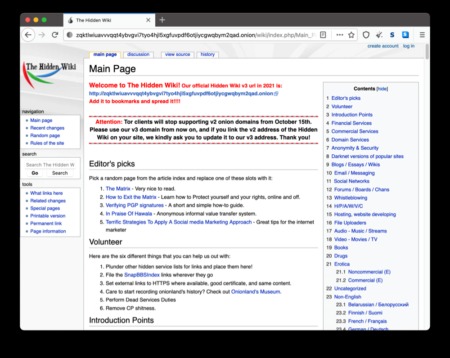
Dark web onion sites, accessible via the Tor network, are encrypted websites with .onion domain names designed to provide anonymity to users and operators. While often associated with illicit activities, they also host legitimate services, such as secure communication platforms, whistleblower channels, and access to restricted or censored information. Trends indicate increased use for privacy-focused purposes, though their association with illegal marketplaces and extremist content remains prevalent. Access requires specialized software and carries risks, including exposure to malicious content or surveillance. Researchers should approach this domain with caution, leveraging tools like Tor Browser while adhering to legal and ethical guidelines.
The internet is often perceived as a vast landscape of information and connection, but there lurks an unseen layer known as the dark web. Within this encrypted domain lie dark web onion sites, which operate on the Tor network, offering a different realm of anonymity and privacy. While these sites have garnered a reputation often associated with illegal activities, they also serve various legitimate purposes. This article will explore what dark web onion sites are, their functionalities, and the potential risks associated with navigating this hidden web.
- The Tor Browser is a web browser that anonymizes your web traffic using the Tor network, making it easy to protect your identity online.
- It will route your traffic through multiple servers instead of one, making tracking your data and activities even harder.
- Bitcoin is one of the main cryptocurrencies used in dark web marketplaces due to the flexibility and relative anonymity of the currency.
- Activists, whistleblowers, and journalists often use the dark web to access news and content that’s otherwise accessible.
- But anything that’s against the law on the regular web or offline is also illegal on the dark web.
Understanding Dark Web Onion Sites
As shown, Ahmia and Not Evil stand out for actively filtering dangerous content, which is great for safer searching. Some focus on filtering out harmful content, others on privacy and anonymity, and some on user friendly design. Now, let’s compare the top search engines that make this possible. Using a safe dark web search engine can save you from accidentally clicking an illegal link. On the surface web, Google will blacklist obviously harmful or illegal sites. Crucially, dark web search engines vary in safety and filtering.
Dark web onion sites are accessible only through the Tor browser, a tool that anonymizes user activity by routing internet traffic through a network of volunteer-operated servers. This encryption provides users a layer of privacy, making it challenging to track online activities. The term "onion" derives from layered encryption, akin to peeling back the layers of an onion to reveal the core. The unique URL structure of these sites typically ends in ".onion," which signifies their special accessibility through the Tor network.
Legitimate Uses of Dark Web Onion Sites
While the dark web is often portrayed as a haven for illicit transactions, there are numerous legitimate uses of dark web onion sites. For example, journalists and whistleblowers often utilize these sites to communicate securely and share sensitive information without fear of persecution. Activists in oppressive regimes may rely on the anonymity afforded by the dark web to organize and disseminate information safely. Additionally, some users turn to the dark web for privacy-focused services, such as email accounts that prioritize user confidentiality.
The Risks and Dangers
Navigating dark web onion sites comes with considerable risks. The anonymity of these websites also attracts malicious entities engaged in illegal activities, such as drug trafficking, weapons sales, and human trafficking. Users who venture into this domain must be aware of the potential for exposure to harmful content or scams. Furthermore, law enforcement agencies often monitor dark web activities, meaning that engaging in illegal acts can lead to serious consequences.
Staying Safe While Exploring
If one chooses to explore the dark web onion sites, adopting safety precautions is essential. Here are a few guidelines to ensure a safer experience:
- Use a reputable VPN: A virtual private network (VPN) adds a layer of protection by masking your IP address.
- Be cautious with personal information: Avoid sharing any personal details that could compromise your safety.
- Regularly update software: Keeping your Tor browser and other security tools up to date minimizes vulnerabilities.
- Understand the laws: Familiarize yourself with the legal implications of accessing specific content on the dark web.
Conclusion
The world of dark web onion sites is complex and multifaceted. While it can provide essential privacy and security for legitimate users, it also harbors significant dangers. Understanding how these sites function and being aware of the risks associated with them is crucial for anyone considering exploration of the dark web. Knowledge is power, and being informed can lead to safer choices in both digital and real-world interactions.