- Think of the Tor network as a maze of tunnels that hides your footprints—only if you have the right tools.
- This dual accessibility allows you to explore the invisible web without needing specialized tools for every search.
- Forest VPN is a versatile, affordable solution that works seamlessly with any onion browser.
- Examples include library databases, email inboxes, personal records (financial, academic, health, and legal), cloud storage drives, and company intranets.
Dark web search engines, such as Tor and I2P, are specialized tools designed to access anonymous, encrypted networks hidden from standard internet infrastructure. These platforms use onion routing and decentralized protocols to obscure user identities and locations, enabling access to content that is not indexed by traditional search engines. While they are often associated with illicit activities, they also host forums for whistleblower communication, secure messaging, and privacy-focused communities. Researchers must approach these spaces with caution, as they require specific software (e.g., Tor Browser) and carry risks of exposure to harmful material, necessitating strict ethical and legal guidelines for academic investigation.
DuckDuckGo’s onion service is best for general use and privacy though it’s not dark web specific. If you’re looking to validate your security posture, identify hidden risks, or build a resilient defense strategy, DeepStrike is here to help. From a defense standpoint, many companies now invest in dark web monitoring services. Even with safe search tools, the dark web can be perilous. Even directories can become outdated or compromised, so ensure you have the genuine DarkWebLinks site check multiple sources for the onion URL. DarkWebLinks explicitly avoids listing things like child porn and tries to flag scam sites some directories even maintain a scam list of sites to avoid.
The internet is a vast expanse of information, with much of it residing in the surface web that the average person navigates daily. However, beyond this familiar realm lies a much deeper and hidden part of the internet known as the dark web. Accessing this area requires specific tools and knowledge, including understanding how dark web search engines operate. This article aims to provide insights into these search engines and their role in navigating the dark web.
For instance, a security researcher looking for any mentions of Acme Corp on dark web pages might use Torch to ensure no stone is unturned. Torch’s philosophy is to provide broad access and let the user beware. This means anything goes in the results you might see links to disturbing content or obvious scams. So think of it as Google like searching, but over Tor without Google monitoring you. DuckDuckGo is not a dark web specific engine, but it’s hugely popular on Tor for general searching.
What are Dark Web Search Engines?
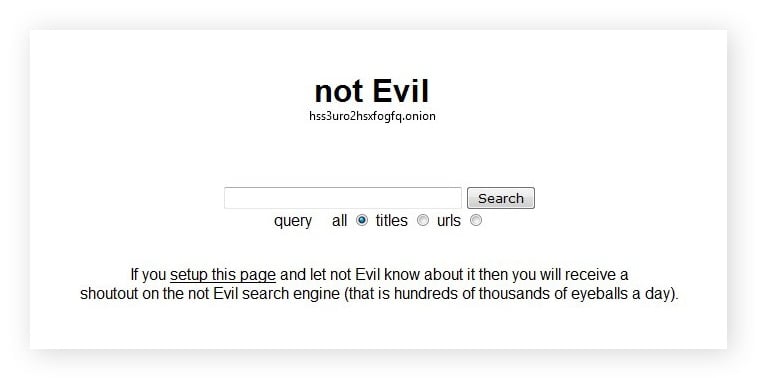
Dark web search engines are specialized tools designed to index and retrieve information from websites that operate on the dark web. Unlike conventional search engines such as Google or Bing, which crawl the surface web, these engines operate on networks that require specific software, most commonly Tor.
How Do Dark Web Search Engines Work?
- Naval Research Lab as a system of decentralised, anonymous nodes enabling anonymous online communication.
- Its index includes sites selling illicit goods, so be careful when browsing and protect your privacy with a VPN.
- Notably, LibreY supports dark web image search, text results, and torrent links.
- Unlike conventional search engines, these specialized tools allow access to the unindexed and anonymous parts of the web.
- Farwa is an experienced InfoSec writer and cybersecurity journalist skilled in writing articles related to cybersecurity, AI, DevOps, Big Data, Cloud security, VPNs, IAM, and Cloud Computing.
These search engines function by using a set of unique protocols tailored for the anonymity and privacy features of the dark web. They index sites that end in '.onion,' a special domain used by services on the Tor network. When users input a query, the dark web search engine retrieves relevant results from these hidden sites.
Types of Dark Web Search Engines
There are several types of dark web search engines catering to different needs:
- General Search Engines: Platforms like "Ahmia" and "Not Evil" index a variety of dark web sites similar to how Google operates on the surface web.
- Specialized Search Engines: Some engines focus on specific content areas, such as illicit marketplaces or forums. These might only index sites related to certain themes or topics.
- Meta Search Engines: These search engines aggregate results from multiple dark web sources, providing a comprehensive overview of search outcomes.

Why Use Dark Web Search Engines?
While the dark web is often associated with illegal activities, it is essential to note that not all content found there is malicious. Many individuals turn to dark web search engines for legitimate reasons, including:
- Access to sensitive information, privacy forums, and whistleblowing platforms.
- Engagement in discussions about censorship and freedom of speech.
- Finding resources that prioritize user anonymity.
Risks and Considerations
Using the dark web and its search engines presents certain risks. Users may encounter illegal activities, scams, or malicious software. It is crucial for individuals to be cautious and employ protective measures, such as using VPNs and ensuring their devices are secure before exploring the dark web.
Staying Informed and Safe
Education and awareness are critical when exploring the dark web. Being informed about how dark web search engines operate can help users navigate this complex environment responsibly. Always prioritize safety and legality, and engage with reputable sources to minimize risks.
Conclusion
The dark web is a multifaceted environment that can offer both valuable resources and potential dangers. A solid understanding of dark web search engines equips individuals with the tools to make informed decisions. While it can be a place for anonymity and free expression, users must remain vigilant and aware of the implications of their activities.