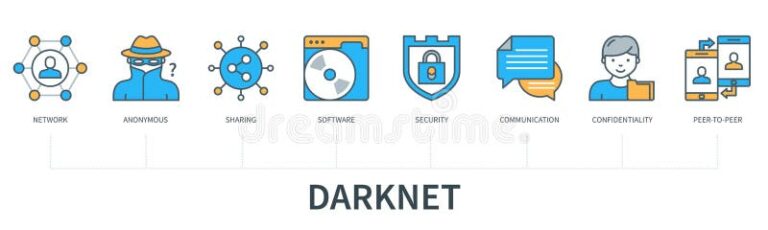
A "dark website" refers to a site on the dark web—a portion of the internet not indexed by standard search engines and accessible only through specialized software like Tor. These sites are often associated with illicit activities, such as cybercrime, illegal marketplaces, or data trafficking. However, they also host legitimate uses, including secure communications, whistleblowing, or accessing censored information. Researchers studying dark web trends may analyze these spaces to track the spread of harmful content, monitor illicit trade in medical supplies, or understand how anonymity tools are exploited, which can inform strategies to mitigate risks to public health and safety.
Staying safe on the dark web requires even more vigilance than the public internet. It’s also a playground for cybercriminals, illegal activities, and shady stuff. With a readable site name like that, people will know what to expect when they click on the link.
The internet is a vast and complex landscape, with layers of content that often go unnoticed by the average user. Among these layers exists a segment known as the dark website, a part of the internet that is not indexed by traditional search engines and requires specific software to access. This article aims to shed light on what a dark website is, the technologies behind it, and its implications for users looking to navigate this hidden space safely and informed.
What is a Dark Website?
A dark website refers to websites that are part of the dark web, which is a portion of the internet that is intentionally hidden and inaccessible through standard web browsers. To access these sites, users typically need special software, such as Tor (The Onion Router). This network anonymizes user activity, providing a layer of privacy that can be appealing for a variety of reasons.
Key Features of Dark Websites
- Anonymity: Users can browse the internet without revealing their identity or location.
- Specialized Access: Requires specific tools (like Tor or I2P) to reach these sites.
- Unregulated Content: Hosts a variety of content, some of which may be illegal or unethical.
- Cryptocurrency Transactions: Many dark websites operate on cryptocurrency for payments, which helps maintain anonymity.
Why Do People Use Dark Websites?
Individuals may gravitate towards dark websites for several reasons, including:
- Privacy Concerns: Users seek to protect their personal information from surveillance and tracking.
- Access to Censored Information: In countries with strict internet regulations, the dark web may provide access to news and information otherwise blocked.
- Legal Activities: Some use the dark web for legitimate purposes, such as whistleblowing or activism.
- Illicit Activities: Certain users access these sites for illegal activities, including the purchase of drugs or weapons.
The Risks Involved

While the allure of the dark website can be strong, it is not without its dangers:
- Legal Consequences: Engaging with illegal content can result in severe legal implications.
- Cybersecurity Risks: Users risk exposure to hacking, malware, and scams.
- Exposure to Harmful Content: Encountering violent or disturbing material is common.
FAQs About Dark Websites
1. Are all dark websites illegal?
No, not all content on the dark website is illegal; some sites provide legal services or information, especially in oppressive regimes.
- The deep web is the part of the internet that cannot be accessed by traditional search engines.
- Many advanced search engines now include APIs or integration options that allow teams to feed dark web data directly into systems like SIEM or SOAR.
- Onion sites aren’t really dangerous, but they could be when accessed through unfamiliar or suspicious links.
- Despite how big the dark web forum market is, or how many people it attracts, these forums remain a risk to both individual users and businesses.
2. How can I stay safe if I choose to visit a dark website?
To enhance safety:
- Use reliable security software.
- Consider a virtual private network (VPN) for added anonymity.
- Avoid sharing any personal information.
- Be cautious of links and downloads.
3. What is the difference between the dark web and the deep web?
The deep web includes all parts of the internet not indexed by search engines, such as databases and private corporate sites. The dark web is a small section of the deep web with hidden IP addresses and requires special software to access.
Final Thoughts
Understanding the concept of a dark website and its implications is essential in today's digital age. While there are legitimate reasons for visiting these sites, it's crucial to proceed with caution and awareness of the associated risks. As technology evolves, so does the landscape of the internet, and being informed is the first step towards staying safe.