Dark web trading involves the exchange of illicit goods and services on encrypted, anonymized networks inaccessible through standard search engines. Commonly traded items include narcotics, stolen data, counterfeit documents, and hacking tools. While the dark web facilitates anonymity for users, law enforcement agencies increasingly monitor these spaces to combat criminal activities. However, distinguishing between legitimate privacy-focused use cases and illegal trade remains complex, as platforms like Tor host both lawful and illicit markets. Trends indicate rising demand for digital assets and cybercrime tools, posing challenges for cybersecurity and public safety initiatives.
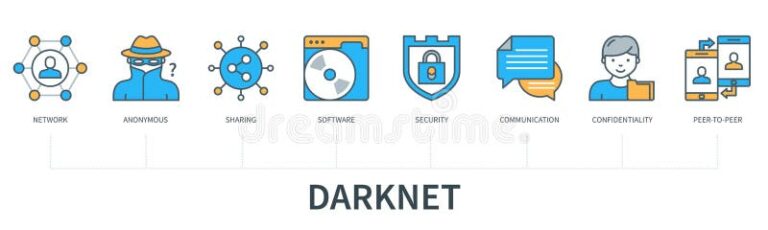
- Using special software like Tor, users hide their identity and location.
- He is comfortable in short term momentum type trades.
- He primarily focuses on intraday trading and scalping of positions.
- The risk is higher now for everyone involved admins might be looking over their shoulder for the next raid, and users wonder if each login could be into a honey pot set up by feds.
- Automated tools like SAGA® can track leaked credentials, data dumps, and impersonation attempts across underground ecosystems.
In recent years, the term dark web trading has gained notoriety, often associated with illicit activities and underground markets. However, understanding the intricacies of the dark web is not only important for those seeking to navigate it securely but also crucial for anyone concerned with digital security and privacy. This article delves into the mechanics of dark web trading, providing insights into its operation, the types of goods exchanged, and the legality surrounding it.
Our dataset covers all major DWMs that have ever existed, as identified by the European Monitoring Centre, Europol, the World Health Organization, and independent researchers24,25,26. User-to-user (U2U) pairs are represented by arrows (direction indicates the flow of Bitcoin) and by their respective users. In this paper, we look closely at patterns of U2U trading relationships among DWM users. On the one hand, some recent works have shown that a significant number of DWM users trade drugs and other illicit goods using social media platforms, such as Facebook, Telegram, and Reddit16,17,18,19,20.
What is the Dark Web?
The dark web refers to a segment of the internet that is not indexed by standard search engines and requires specific software to access, such as Tor. This anonymity enables users to trade goods, services, and information without revealing their identities. While much of the attention surrounding the dark web focuses on illegal activities, it also hosts legitimate purposes, including privacy protection and secure communication.
How Dark Web Trading Works
Dark web trading functions similarly to traditional online marketplaces but operates under a shroud of secrecy. Vendors set up anonymous storefronts on dark web platforms, often using cryptocurrency to facilitate secure, untraceable transactions. Buyers browse these platforms, navigate through user reviews and ratings, and make purchases with the assurance that their identities are protected.
Types of Goods and Services Traded
Products and services on the dark web span a wide spectrum, including:
- Illegal goods such as drugs, weapons, and counterfeit items.
- Hacking services that offer cyber intrusion services or stolen data.
- Privacy-oriented goods like VPN services or secure communication tools.
- Whistleblower platforms that allow for safe reporting of corporate or governmental misconduct.
Legal Implications of Dark Web Trading
Engaging in dark web trading can lead to serious legal repercussions, especially when involving illegal products or services. Law enforcement agencies worldwide actively monitor dark web activity, leading to numerous arrests and prosecutions. Understanding the distinctions between legal and illegal trading practices is vital in this complex digital landscape.
Risks Involved in Dark Web Trading
While anonymity can be appealing, it doesn’t eliminate risk. Participants in dark web trading face numerous dangers, including:
- Thus, further analyses in this direction have been hindered by the lack of heuristics able to identify these two key classes of actors in transaction networks and their roles in the structure and dynamics of the ecosystem.
- Law enforcement agencies, however, have only recently started targeting individual sellers.
- In its work last year, Elliptic found that in the first three years of its operation, Huione Guarantee sellers moved around $11 billion on the platform.
- The popularity of DWMs stems from users being able to access them easily and anonymously, and trade items that are not available in regulated markets.
- Not only does their product make it so easy to see how you are doing on your trades with the various graphs and filtering options, getting your account synced is super intuitive.
- For each period of time obtained in step 4, some sellers are active only in markets, others in the U2U network, or in both.
- Scams: Many vendors may not deliver the goods after payment is made.
- Legal consequences: Purchasing or selling illegal items can lead to severe legal action.
- Cybersecurity threats: Engaging in dark web activities can expose users to hacking attempts and identity theft.
Staying Informed and Safe
Awareness and education about dark web trading are essential for anyone venturing into this clandestine realm. Users should prioritize strong security measures, including using secure connections, keeping software updated, and being cautious of the goods and services they engage with. By understanding both the dangers and the legitimate uses of the dark web, individuals can protect themselves effectively while navigating this complex aspect of the internet.
In conclusion, while the dark web presents certain opportunities and anonymity, it also comes with significant risks and implications. Educating oneself about dark web trading can empower individuals to make informed decisions, potentially saving lives and safeguarding personal information.