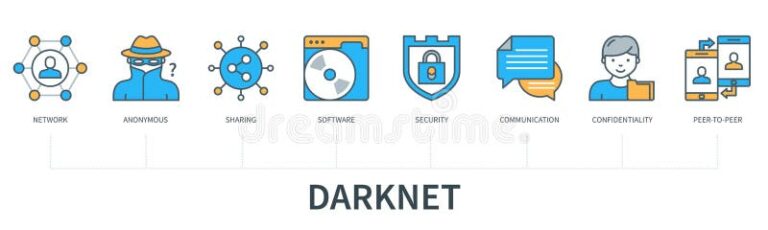
This “onion” routing masks your IP address and encrypts your data multiple times, peeling away layers of encryption at each relay. Understanding the differences and capabilities of various anonymity tools will help you make informed decisions about which networks best serve your needs. While the Tor network is designed to provide anonymity, it alone cannot guarantee your privacy or safety.
- With all of that in mind, you need to tread carefully when browsing, in terms of the sites you visit and the other users you interact with.
- At a minimum, users should ensure that their cybersecurity defenses are activated and up to date.
- These high levels of anonymity increase the opportunity for the “bad guys” to sell drugs, stolen IDs, credit cards, weapons, and many more compromised products or information.
- By staying informed and exercising caution while browsing the dark web, users can minimize their exposure to these risks and stay safe online.
While Tor protects your browser traffic, a VPN shields the rest of your network activity, like email apps, background refreshes, and system updates. We recommend sourcing a list of reputable .onion sites and navigating directly to the URL. In this guide, we explain a technique known as Tor-over-VPN, which routes your traffic through a VPN before it reaches the Tor network. The dark web is the hidden part of the internet that you can’t open via normal browser.
The dark web, a subset of the internet not indexed by standard search engines, requires specialized software like Tor to access. Users navigate it via encrypted networks, often using .onion domains to avoid tracking. Steps to engage include installing privacy-focused tools, connecting through hidden services, and employing cryptographic protocols. However, the dark web hosts both legitimate forums and illicit activities, necessitating caution due to risks like malware, scams, or exposure to prohibited content. Researchers should prioritize anonymity tools and legal compliance when exploring this realm.
The dark web often evokes images of illicit activities and hidden markets. However, understanding this part of the internet can enlighten users on its complexities, emphasizing the importance of knowledge in navigating online spaces. This article aims to provide a step-by-step guide to accessing the dark web safely and informatively, illustrating its legitimate uses while promoting caution. Let’s delve into the intricacies of the dark web.
Dark Web Step By Step
Understanding the Dark Web
Before exploring, it’s vital to grasp what the dark web is. It refers to encrypted online content that isn’t indexed by standard search engines like Google. Unlike the surface web, which is accessible through traditional browsers, the dark web requires specific tools for access.
Step 1: Get the Right Tools
The primary tool for accessing the dark web is the Tor browser. Tor, short for The Onion Router, anonymizes your internet activity by routing it through multiple servers before reaching its destination. Download Tor from its official website to ensure you are getting the legitimate version.
Step 2: Enhance Your Security
Security is paramount when exploring the dark web. In addition to using Tor, consider the following protective measures:
- Use a VPN (Virtual Private Network) to add an extra layer of anonymity.
- Enable security features in the Tor browser, such as NoScript.
- Keep your software up to date, including your operating system and security programs.
Step 3: Open the Tor Browser
After installation, open the Tor browser. It may take a few moments to connect, as it navigates through various nodes to establish a secure connection. Once connected, you’ll notice the browser looks similar to Firefox and allows you to surf the dark web.
Step 4: Navigate the Dark Web
With the Tor browser open, you can access dark web domains ending in .onion. These websites often require specific URLs, which can be found through various forums or directories dedicated to listing dark web sites. Remember to approach links cautiously, as not all dark web sites are safe.
- Before you can access the Dark Web, you need to download and install a VPN to secure your connection.
- When you search for something on Google or Bing, you’re using the clear web.
- This means your ISP can’t see that you’re accessing the dark web (or indeed, the specific sites you’re accessing).
- The privacy and security it offers ensure that anyone who gets access to your device has no means of exploiting it.
- You don’t need special tools or a dark net browser to access most of the deep web; you just need to know where to look.
Step 5: Protect Your Identity
While browsing, it’s crucial to maintain your anonymity. Avoid sharing personal information or using accounts linked to your identity. Be aware of phishing sites that may attempt to steal your data.
Step 6: Know the Risks
The dark web houses both legitimate and illegal activities. Be prepared for content that may be disturbing or illegal, and exercise discretion. Engaging in illegal activities can have severe consequences, including legal action.
Step 7: Exit Safely
When you’ve finished browsing, close the Tor browser. This action helps maintain your anonymity and ensures that your internet session is concluded securely. Regularly clear your browsing history and cache to further protect your online footprint.
Conclusion
Understanding the dark web is essential for navigating today’s digital landscape. By following this step-by-step guide, users can explore this hidden part of the internet safely while staying informed about the potential dangers. Knowledge is the best defense against the threats that lurk online, making awareness and caution critical for all internet users.