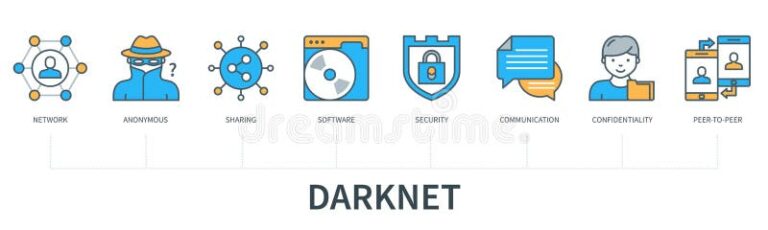
The dark web, accessible via the Tor network, is an encrypted portion of the internet that requires specialized software like Tor to navigate. It hosts a mix of legitimate and illicit content, including forums, marketplaces, and hidden services. While Tor is designed to protect user anonymity and privacy, the dark web is often associated with illegal activities such as drug trafficking, hacking, and black market trade. Researchers and law enforcement monitor these spaces to identify threats, track criminal networks, and develop countermeasures, though the anonymizing nature of Tor complicates such efforts. Understanding trends in dark web activity is critical for addressing cybersecurity risks and public safety concerns.
But just to be clear, similar to Brave and Opera, it does not directly access the Tor network. But it’s recommended that you stick to Tor Browser still for true dark web access. All traffic must always go through the Tor network through the Gateway. It can access the regular internet through “outproxies,” but that’s not its strongest suit. I2P is another powerful anonymity network. It is the closest thing to a full dark web online anonymity suite.
This makes Riseup a vital tool for people in oppressive environments or anyone concerned with online privacy. All of this underscores Riseup’s prioritization of users’ rights over business interests. Since the organization behind it is independent, it’s fully user-supported and relies on donations to keep its site up and running. Riseup’s secure email and chat help individuals communicate without fear of surveillance or data interception. Accessing ProPublica via the Tor Browser gives users an added layer of privacy and lets them bypass restrictive government censorship.
The dark web has gained significant attention over the past few years, often conjuring images of illegal activities and hidden markets. However, understanding the dark web, particularly through the use of Tor, is essential for those looking to be informed about this aspect of the internet. This article aims to shed light on what the dark web is, how Tor functions, and the importance of remaining safe and informed while exploring this hidden corner of the digital world.
What is the Dark Web?
The dark web refers to parts of the internet that are not indexed by traditional search engines. Accessible only with special software, the dark web allows users to remain anonymous while browsing. It is often viewed as a haven for illegal activities, but it also serves as a platform for free speech and the exchange of ideas, particularly in oppressive regimes where freedom of expression is curtailed.

Understanding Tor
Tor, short for "The Onion Router," is a network that enables anonymous communication and browsing. By routing internet traffic through a series of volunteer-operated servers, Tor disguises a user's location and usage, making it difficult for anyone to trace their online activities. The name "onion" refers to the multiple layers of encryption that protect users' information, similar to the layers of an onion.
- When these defense mechanisms are triggered, it can result in the site blocking access, or presenting captchas to the user.
- Accessing the Dark Web safely in 2025 demands vigilance, preparation, and strict adherence to security best practices.
- Cybercriminals plan attacks, sell credentials, and share exploits in hidden forums and marketplaces that require specialized search engines to monitor.
- It's a place where you'll find data leaks and illegal trades, but also legitimate, legal online activities users want to carry out without attracting the attention of law enforcement agencies or governments.
- The Tor Messenger developers explained that overcoming any vulnerabilities discovered in the future would be impossible due to the project relying on outdated software dependencies.
How to Access the Dark Web Using Tor
To explore the dark web, you first need to download the Tor browser. This browser is specifically designed to access dark web sites, which typically use the ".onion" domain extension. Here's a brief guide:
- Download the Tor Browser: Visit the official Tor Project website and download the browser suitable for your operating system.
- Install the Browser: Follow the installation instructions to set up the browser on your device.
- Connect to the Tor Network: Launch the browser and connect to the Tor network.
- Navigate to .onion Sites: Enter the specific .onion addresses to access dark web content.
- DarkOwl excels at threat research.
- DarkOwl focuses more on darknet content broadly rather than full-text document search.
- The Russian government increased efforts to block access to Tor through technical and political means, while the network reported an increase in traffic from Russia, and increased Russian use of its anti-censorship Snowflake tool.
- We’ll show you how to access the dark web safely using Tor browser, and how our VPN can help encrypt your connection and protect your anonymity.
Risks and Safety Precautions
While the dark web can facilitate the exchange of crucial information, it also poses significant risks. Users should be aware of potential threats, including:
– Illicit content and illegal activities
– Malware and hacking attempts
– Scams and fraudulent sites
To stay safe while browsing the dark web, consider the following precautions:
- Use a VPN: While Tor enhances anonymity, a Virtual Private Network (VPN) adds an extra layer of security.
- Be Cautious with Links: Avoid clicking on unknown or suspicious links to reduce the risk of malware.
- Limit Personal Information: Never share personal information or conduct sensitive transactions while on the dark web.
Conclusion
Understanding the dark web and how Tor operates is crucial in today's digital age. While it can be a resource for those seeking anonymity and free speech, it also harbors significant risks. By educating ourselves about how to navigate the dark web safely, we can leverage its benefits while avoiding its dangers. Staying informed is the best way to protect oneself in any digital environment.