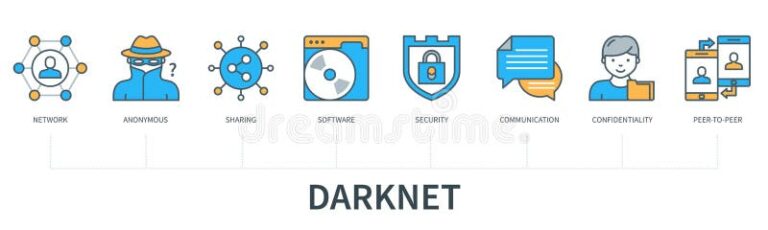
This guide shows you how to get on the dark web and some safe sites to visit. It’s the digital Wild West and hosts everything from investigative journalism to illegal dark web porn. If you’re doing research about the dark net, Tor Metrics can be a very helpful resource.
The "dark web teen" trend refers to minors' increasing exposure to the dark web, often driven by curiosity, peer influence, or attempts to access restricted content. While some engage in harmless exploration, others risk encountering illegal marketplaces, extremist propaganda, or predatory interactions. Researchers highlight concerns about child exploitation, cybercrime, and mental health impacts, emphasizing the need for digital literacy programs and parental monitoring tools. Trends show a rise in teens using encrypted platforms for anonymous communication, complicating efforts to identify and protect vulnerable users.
The digital landscape is vast and complex, especially for teenagers who are constantly navigating online social spaces. Among the many layers of the internet, the dark web represents a side rarely discussed in educational contexts but is crucial for understanding the broader implications of internet use. This article aims to shed light on what the dark web is, its associated risks, and how teens can protect themselves while fostering a curious yet cautious engagement with online spaces.
Dark Web Teen
There are almost certainly AI-generated videos and images of child sex abuse that authorities will never detect, because they are created and stored on personal computers; instead of having to find and download such material online, potentially exposing oneself to law enforcement, abusers can operate in secrecy. In 2025, new data show, the volume of child pornography online was likely larger than at any other point in history. A random dark web link can lead you to malicious software, phishing sites, and illegal content.
The term dark web refers to a section of the internet that is not indexed by traditional search engines like Google. This hidden part of the web can only be accessed using specific software tools, most commonly the Tor browser. While it is often associated with illegal activities, it serves various legitimate purposes, such as maintaining anonymity and privacy for users in oppressive regimes.
Understanding the Dark Web
The dark web can be confusing, especially for teens just becoming aware of its existence. Below are some key points to consider:
- Anonymity: Users can operate anonymously, making it a haven for whistleblowers and activists.
- Content Variety: The dark web hosts a wide range of content—some legal, some illegal, and some deeply problematic.
- Risks: The dark web includes a proliferation of scams, illicit transactions, and dangerous content.
Why Do Teens Access the Dark Web?
Curiosity drives many young people to explore the dark web. Understanding their motivations may help parents and educators address concerns more effectively:
- Curiosity: The allure of the unknown often attracts teens looking to explore alternate online environments.
- Peer Influence: Friends may share experiences or urge each other to access the dark web.
- Whistleblowing and Activism: Some teens may seek out the dark web for its potential to discuss social issues freely.
Risks Associated with Dark Web Access
While there are reasons why a teen might visit the dark web, it's important to weigh these against potential dangers:
- Exposure to Illegal Content: Teenagers may inadvertently encounter disturbing or illegal material.
- Cybersecurity Threats: The dark web can expose users to malware and hackers looking to steal personal information.
- Legal Repercussions: Engaging in illegal activities can lead to serious consequences, including criminal charges.
How to Stay Safe
Educating teens about safe online practices is paramount. Here are some strategies:
- The system is designed to provide enhanced security and privacy features.
- The dark web is part of the internet that is not indexed by standard search engines like Google, Yahoo, and Bing.
- Stability AI told the Post that it bans obscene content creation, cooperates with law enforcement to find violators of its policies, and “has removed explicit material from its training data” to prevent future attempts at creating obscene content.
- Hidden Answers is one of the biggest question-and-answer dark web sites.
- To access the Freenet-based dark web, you need to install the Freenet application.
- In a world of bulk data collection, surveillance, and personalized ad tracking, it's up to us to take control of our personal privacy.
- Open Communication: Encourage discussions about online experiences and pressures to explore the dark web.
- Education: Teach teens about the difference between the surface web and the dark web, focusing on risks and responsibilities.
- Limit Access: Consider parental controls and monitoring software that can help limit exposure to risky online areas.

Frequently Asked Questions (FAQs)
What is the dark web?
The dark web refers to parts of the internet that are not indexed by standard search engines and require special software to access.
Is everything on the dark web illegal?
No, not everything is illegal. While there are illicit activities, the dark web is also used for legal purposes such as privacy-oriented communication.
How can teens protect themselves online?
Teens can protect themselves by being aware of the risks, engaging in open conversations with parents, and avoiding risky websites.
In conclusion, navigating the dark web presents complexities that require awareness and education. While it can be an enticing space for exploration, understanding its risks is crucial for young users today. By fostering open communication and a culture of safety, we can help equip teens with the knowledge they need to navigate their digital worlds responsibly.